
Destinations: Africa
We'd love to hear from you! Whether you're ready to book your next adventure or simply have a question, our team at GenZ Travel is here to help.
Africa Travel Guide: Everything UK Travellers Need to Know
This Africa travel guide covers everything a UK traveller needs to plan a trip, from choosing a region and the right month to costs, flights, visas, health, money and the culture you will meet on the ground. Africa is a continent of 54 countries, so no single trip captures it, and the best holiday is the one matched to your time, budget and interests.
Quick answer: For most UK travellers, the easiest way into Africa is a first trip to South Africa, Kenya, Tanzania, Zanzibar or Morocco. Go in the local dry season (roughly June to October for East and Southern Africa, October to April for Morocco and Egypt), budget about £220 to £630 per person per day for a safari, allow 3.5 to 17 hours of flying depending on the destination, and check passport, visa and malaria advice at least eight weeks before you travel.
Africa rewards planning more than most destinations. A safari in the wrong month can mean mud and empty plains. A beach week in the wrong season can mean rain every afternoon. Flights range from under four hours to the best part of a day. Get those three things right and everything else falls into place.
Below you will find the continent at a glance, the main regions explained, the top destinations in each, a month by month planner, a realistic cost breakdown, getting around, where to stay and the practical points UK passport holders need to sort before they fly. Whether you are after your first safari, a Zanzibar beach holiday or a festive escape in the sun, you will leave with a shortlist and a plan.
Africa at a Glance: A Travel Guide to the Continent
Africa is the second-largest continent on Earth, home to 54 countries, well over a billion people and more than 2,000 languages, so the most useful starting point is to understand how different each area feels. Distances are huge, climates range from rainforest to desert, and a trip to Cairo has almost nothing in common with a trip to Cape Town.
| Region | Main languages for visitors | Currency examples | Best for |
|---|---|---|---|
| East Africa | English, Swahili | Kenyan shilling, Tanzanian shilling | Safaris, gorillas, coast |
| Southern Africa | English, Afrikaans, local languages | Rand, Namibian dollar, pula | Cities, wine, self-drive, big game |
| North Africa | Arabic, French, English in tourist areas | Moroccan dirham, Egyptian pound | History, markets, short breaks |
| West Africa | English, French, Portuguese, local languages | Cape Verdean escudo, Ghanaian cedi | Winter sun, heritage, music |
| Indian Ocean islands | English, French, Swahili, Creole | Mauritian rupee, Seychelles rupee | Beaches, honeymoons, resorts |
English is widely understood in tourist areas across East and Southern Africa and the islands, thanks to colonial history and the tourism industry. French dominates much of North and West Africa, so a few phrases go a long way in Morocco and Senegal. Learning even a handful of greetings in Swahili, such as jambo for hello and asante for thank you, is always appreciated.
How to Choose Between Africa’s Regions
Choose by experience first and region second: wildlife points you to East or Southern Africa, beaches to Zanzibar or the Indian Ocean islands, ancient history to North Africa and quick winter sun to Cape Verde. Africa is too big to compare country against country, so start with the kind of holiday you want.
Start with the experience you want
- East Africa (Kenya, Tanzania, Uganda, Rwanda): classic safaris, the Great Migration and gorilla trekking, with the Indian Ocean coast for a beach finish.
- Southern Africa (South Africa, Namibia, Botswana, Zimbabwe, Zambia): the widest mix, from Cape Town and wine country to Big Five reserves, desert dunes and Victoria Falls.
- North Africa (Morocco, Egypt): markets, mosques, pyramids and the Sahara, all within a short flight.
- Indian Ocean (Zanzibar, Mauritius, Seychelles): reef-fringed beaches and warm water, with Zanzibar adding spice farms and a historic old town.
- West Africa (Cape Verde, The Gambia, Ghana, Senegal): year-round sun close to home, plus some of the continent’s richest heritage.
Then check flight time and season
Once you know the experience, check two filters. The first is journey length, because a destination that takes 17 hours with a connection is a very different commitment from one that takes four hours direct. The second is the weather calendar, because Africa straddles the equator and each region has its own dry and wet seasons. Both are covered in detail further down.
Budget is the third filter, and it narrows the field fastest. Beach packages and short flights keep costs predictable, while safaris carry fixed park fees that no operator can discount away. If your budget is tight, a Zanzibar or Moroccan break gives you far more days for your money than a classic safari.
Quick shortlist: for a first safari, pick Kenya or Tanzania. For beaches with culture, pick Zanzibar. For variety on a direct flight, pick South Africa. For a cheap, short sunny break, pick Morocco or Cape Verde. For a once-in-a-lifetime encounter, pick gorilla trekking in Uganda or Rwanda.
Safari Travel in Africa: Kenya and Tanzania
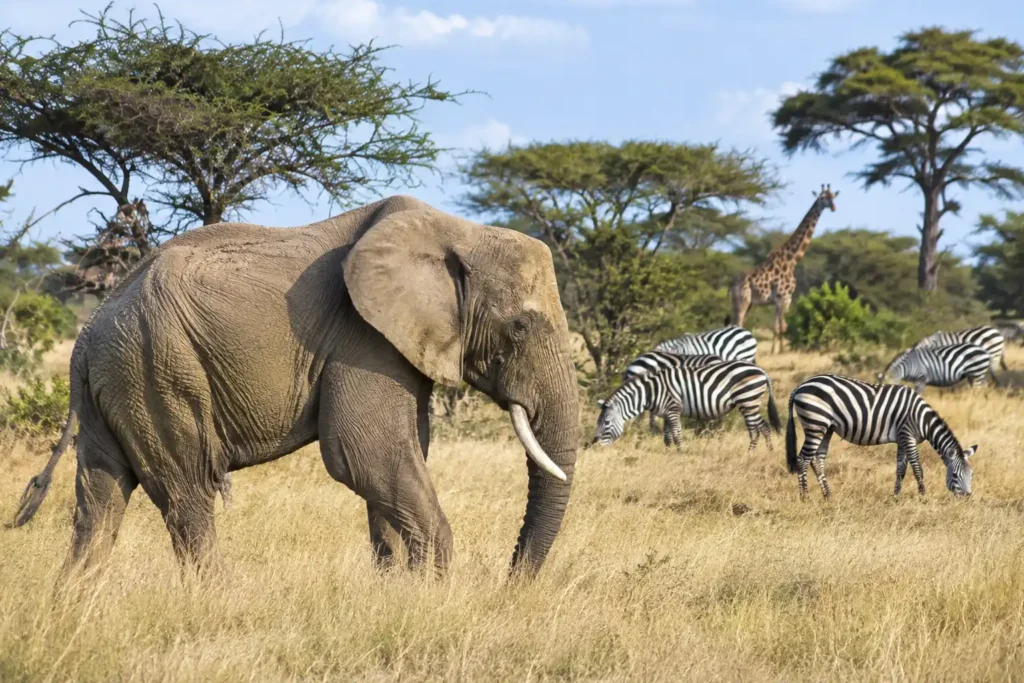
Kenya and Tanzania offer Africa’s most dependable big game viewing, with the Maasai Mara and the Serengeti forming one continuous ecosystem that hosts the Great Migration. If you only take one safari, this is where most first-timers go, and for good reason.
Maasai Mara and the Great Migration
Each year well over a million wildebeest, joined by zebras and gazelles, circle between the Serengeti and the Maasai Mara in search of fresh grass. The dramatic river crossings on the Mara River are usually seen from around July to October, which is why those months are the busiest and priciest of the year. Outside the crossings, the Mara still delivers lions, cheetahs, elephants and giraffes in open country that makes spotting easy.
Serengeti, Ngorongoro and Amboseli
The Serengeti is vast, and its southern plains are where calving takes place from roughly January to March, with predators close behind. Ngorongoro Crater, a collapsed volcano, packs an unusual density of wildlife onto its floor in a single day’s drive. Amboseli, across the border in Kenya, is famous for large elephant herds walking beneath the snow-capped summit of Kilimanjaro.
How a safari day works
A safari follows the animals’ rhythm rather than yours, so expect early starts and long, lazy middays. A typical day runs like this:
- Wake before dawn for tea and a short breakfast.
- Head out on a game drive in an open-sided 4×4 while the animals are active and the light is soft.
- Return to camp for brunch, then rest, swim or read through the heat of the day.
- Set off again in the late afternoon for a second drive, often finishing with a sundowner drink.
- Eat dinner around a campfire or in the lodge, then sleep to the sound of the bush.
Your guide matters more than your lodge. A sharp-eyed, well-trained driver can find a leopard in a tree that another vehicle drives past, so ask how guides are trained and whether you will have a private vehicle or a shared one. Park fees are charged per person per day and make up a large share of the price, which is why a cheaper safari usually means a shared vehicle and a simpler camp.
Zanzibar: Beaches, Spice Farms and Stone Town
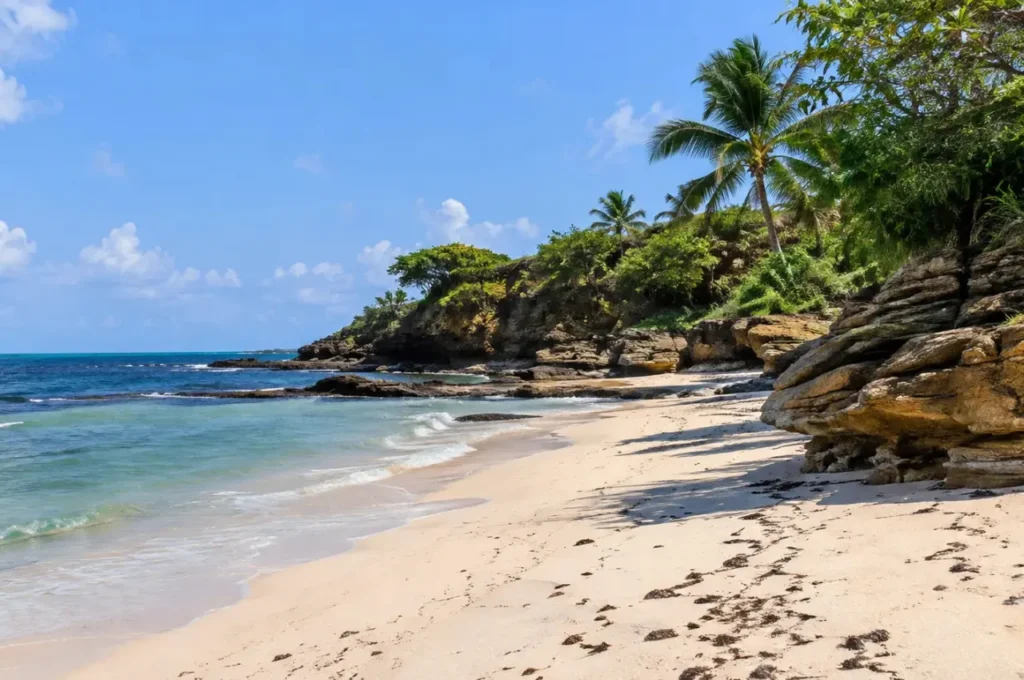
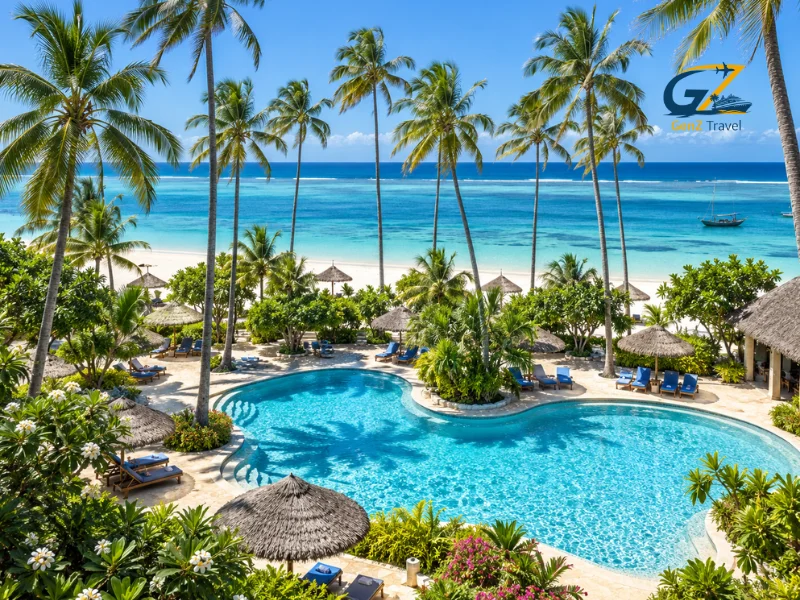
Zanzibar is the best place in Africa for a beach holiday with real culture attached, thanks to a white-sand coastline, a UNESCO-listed old town and spice farms inland, all on one island roughly 40 km off the Tanzanian coast. It also suits UK travellers because the sea is warm, the dry seasons are long and package prices are friendlier than most safaris.
Where to base yourself
The north coast around Nungwi and Kendwa has the most swimmable water at all times of the tide, plus sunsets that draw a crowd to the beach bars each evening. The east coast, around Paje and Jambiani, is a kitesurfing hotspot, but the sea retreats a long way at low tide, so it suits walkers and watersports fans more than swimmers. Stone Town sits on the west coast and works best as a day trip or a night or two at the start or end of your stay.
Things to do beyond the beach
Stone Town’s alleyways reward a guided walk, with carved wooden doors, old merchant houses and the Forodhani night food market on the waterfront. A spice tour shows you cloves, vanilla, cinnamon and nutmeg growing in their natural habitat, a reminder that Zanzibar once sat at the centre of the global spice trade. Prison Island, a 30-minute boat trip from Stone Town, is home to giant tortoises, some of them more than 100 years old, while Jozani Forest shelters rare red colobus monkeys.
A Zanzibar holiday in one price
If you would rather have flights, board and transfers wrapped into one booking, our Zanzibar all-inclusive holidays start from £1,789 per person for seven nights, including return flights, all-inclusive board and airport transfers. It is a simple way to compare Zanzibar against a safari, because you can see the full cost before you commit.
Southern Africa: Cape Town, Kruger, Namibia and Victoria Falls
Southern Africa is home to the best regions for first-time visitors who want variety, because South Africa alone offers a world-class city, wine country, Big Five safaris and a long scenic coastline, all reachable on a direct flight from the UK.
Cape Town and the Winelands
Cape Town sits beneath Table Mountain, which you can climb on foot or ride up by cable car for views over the bay. From the city, a drive down the Cape Peninsula takes in the penguin colony at Boulders Beach and the windswept cliffs at the Cape of Good Hope. Stellenbosch and Franschhoek, about an hour inland, are the heart of South African wine country, with tastings among mountain-backed vineyards. The Cape is at its sunniest and warmest from roughly December to March.
Kruger and the private reserves
Kruger National Park is one of the easiest places in Africa to self-drive on safari, with tarred roads, good camps and fixed prices. For leopards and close sightings, the private reserves along its western edge allow off-road driving and night drives that the national park does not. Kruger lies in a malaria-risk area, so factor that into your health planning.
Namibia, Botswana and Victoria Falls
Namibia is the pick for landscapes, with the towering red dunes of Sossusvlei at sunrise and the waterholes of Etosha, where animals come to you. Botswana’s Okavango Delta, a river that fans out into a maze of channels, is explored by dugout canoe and on foot, and its flood waters usually arrive between June and August. Victoria Falls, on the border of Zambia and Zimbabwe, is at its most thunderous in the months after the rains, roughly March to May, when the spray can soak you from a long way off.
North Africa: Morocco and Egypt
North Africa is the closest part of the continent to the UK, with Morocco only a few hours away, and it suits travellers who prefer history, food and bustling markets to wildlife.
Morocco
Marrakech is the usual starting point, with the Jemaa el-Fna square coming alive at dusk, a warren of souks for shopping and traditional riads (courtyard guesthouses) for sleeping. From there, day trips head into the Atlas Mountains, and longer journeys reach Fes, with its ancient medina, or the Sahara dunes near Merzouga, where you can spend a night in a desert camp. Essaouira, on the Atlantic coast, offers a cooler, breezier alternative. Spring and autumn are the most comfortable seasons.
Egypt
Egypt is built for sightseers. The pyramids at Giza and the temples and tombs around Luxor, including Karnak and the Valley of the Kings, are the big draws, and a Nile cruise between Luxor and Aswan lets you see them in comfort. The Red Sea coast adds reef snorkelling and diving to the mix. Visit between October and April, because summer temperatures make midday sightseeing a struggle. Dress modestly at religious sites.
Indian Ocean Islands: Mauritius and the Seychelles
Mauritius and the Seychelles are the best choice for polished resort holidays, but they behave very differently from Zanzibar. Mauritius blends Indian, African, French and Chinese influences, with sheltered lagoons, the dramatic peak of Le Morne and the multi-coloured sands of Chamarel inland. Its cyclone season runs roughly from January to March, so many UK travellers aim for the cooler, drier months.
The Seychelles are smaller and pricier, famous for giant granite boulders and powder-soft sand. La Digue, reached by ferry from Praslin, is the place to hire a bike and visit Anse Source d’Argent, while Praslin’s Vallée de Mai is a forest of rare coco de mer palms. Choose these islands when the beach itself is the point and budget is flexible.
West Africa: Cape Verde, The Gambia and Ghana
West Africa is the best area for winter sun on a short flight and for travellers who want heritage rather than wildlife. Cape Verde’s islands of Sal and Boa Vista have long beaches and steady winds that attract windsurfers and kitesurfers, with sunshine most of the year. The Gambia is a gentle introduction to the region, with birdwatching boat trips along the River Gambia, and the dry season runs from roughly November to May.
Ghana is the choice for culture. Accra offers markets and music, while the UNESCO-listed castles along the coast, including Cape Coast Castle, tell the story of the transatlantic slave trade in a sobering and important way. Senegal’s Gorée Island does the same from further north.
Uganda and Rwanda: Gorilla Trekking and Wild Forests
Uganda and Rwanda are the places to go if you want to meet mountain gorillas, one of the most moving wildlife encounters on the planet. Roughly half of the world’s remaining mountain gorillas live in the misty volcanic forests along the borders of Uganda, Rwanda and the Democratic Republic of the Congo.
How a gorilla trek works
Small groups of eight visitors are assigned to a habituated gorilla family and set out with trackers and rangers. Treks can last anywhere from one hour to six or more, depending on where the family spent the night. Once you find them, you are allowed one hour in their company, usually at a distance of seven metres, with no flash photography. Permits are limited and cost considerably more in Rwanda than in Uganda, so book many months ahead and expect permits to form a large part of the budget.
More to see in the region
Uganda adds chimpanzee tracking in Kibale Forest, tree-climbing lions in Queen Elizabeth National Park and boat trips beneath the thundering Murchison Falls. Rwanda is compact and tidy, with the memorial museums of Kigali offering a sobering insight into the country’s recent history. Both countries suit travellers who want something less crowded than the big northern safari circuit, and the dry months of June to September and December to February are generally easiest for hiking.
Food and Drink: What You Will Actually Eat
Food in Africa is as varied as the landscape, so expect tagines in Morocco, grilled seafood in Zanzibar and braai (barbecue) in South Africa rather than one single cuisine. Eating locally is one of the cheapest and most memorable parts of any trip.
- Morocco: slow-cooked tagines, couscous on Fridays, sweet mint tea and flaky pastries from market stalls.
- Zanzibar: coconut-rich curries, octopus and grilled fish, and Zanzibar pizza, a stuffed street-food pancake served at the Forodhani market.
- South Africa: braai meat, biltong, Cape Malay curries and excellent, reasonably priced wine.
- Kenya and Tanzania: nyama choma (grilled meat), ugali (a maize staple), chapati and fresh tropical fruit.
- West Africa: jollof rice, grilled fish and peanut stews, with Ghana and Senegal fiercely proud of their versions.
Stick to bottled or filtered water, choose busy stalls with high turnover and peel your own fruit. Most safari lodges and resorts cater for vegetarians and other dietary needs if you tell them in advance.
What to Pack for Africa
Whichever route this Africa travel guide leads you down, pack light, neutral layers and a good pair of walking shoes, because most Africa trips mix early chilly mornings with hot afternoons. Many small safari planes also limit you to soft-sided bags weighing around 15 kg, so check your luggage allowance before buying a hard suitcase.
- Clothes in khaki, beige or olive, because bright colours and black or dark blue can attract tsetse flies and spook animals.
- A warm fleece or jacket for dawn game drives, which can feel surprisingly cold in the open vehicle.
- Binoculars, since a decent pair transforms what you see.
- High-factor sun cream, a wide-brimmed hat and polarised sunglasses.
- Insect repellent containing DEET, plus any anti-malarial medication you have been prescribed.
- A universal travel adaptor, because plug types differ between countries.
- A scarf or shawl for covering shoulders and hair at religious sites in North Africa.
Independent, Group or Package: Which Style Suits You?
Package holidays and guided tours suit most UK travellers heading to Africa for the first time, while self-drive trips suit confident, experienced travellers. The right style comes down to how much planning you want to do and how much flexibility you need.
A package gives you one price and one point of contact, which is reassuring when flights are long and connections complicated. A small-group tour adds a guide and companions. A self-drive trip, popular in South Africa and Namibia, gives you freedom, but you will need to handle fuel, routes and bookings yourself. Whichever you pick, read what is included, what is not, and what happens if a flight changes.
The Best Time to Go, Month by Month
The best time to visit most of Africa is during the local dry season, which falls roughly between June and October for East and Southern Africa and between October and April for Morocco and Egypt. Rain is not a disaster, but it thickens the bush, turns tracks to mud and can cut visibility on safari, so timing matters more here than on a typical European break.
Use the table below as a planner. It shows broad patterns only, because rainfall shifts from year to year and altitude changes everything, so treat each entry as a starting point and ask for current advice before you book.
| Months | East Africa safari | Southern Africa | Zanzibar and Indian Ocean | North Africa |
|---|---|---|---|---|
| January to March | Hot and dry, calving in the southern Serengeti | Hot, green and wet, but Cape Town is at its best | Hot and humid, Zanzibar is good until the rains build | Cool and pleasant, cold in the mountains |
| April to May | Long rains, quiet and cheaper | Rains ease, Victoria Falls in full flow | Wet season in Zanzibar, many lodges close | Warm and ideal for Morocco, hot in Egypt |
| June to August | Dry season, migration arrives in the Mara | Dry and cool, prime game viewing | Dry and breezy, Zanzibar is at its best | Very hot inland, coastal Morocco is comfortable |
| September to October | River crossings continue, clear skies | Hot and dry, great for Namibia and Botswana | Warm, calm seas and good visibility | Cooling down, an excellent time for sightseeing |
| November to December | Short rains, green landscapes, fewer crowds | Summer begins, warm beaches, busy at Christmas | Good again from December, festive peak | Mild days and cool nights, perfect for Egypt |
If your dates are fixed, flip the question around. School holidays suit the Cape, the Seychelles and Zanzibar. A summer break suits safari. Easter is well timed for Morocco before the heat arrives. And a shoulder month, such as early June or late October, often gives you good weather with fewer vehicles at each sighting.
Africa Travel Guide to Costs: What a Holiday Takes from the UK
A week in Africa can cost anything from around £1,000 for a short beach break to well over £5,000 for a luxury safari, and flights are rarely the biggest part of the bill. The three things that drive the price are your destination, your accommodation level and how many park fees you pay.
The figures below are rough planning ranges per person based on published industry estimates, so treat them as a guide rather than a quote. Prices rise in peak season and around school holidays.
| Holiday style | Typical cost per day on the ground | Return flights from the UK | What to expect |
|---|---|---|---|
| Budget safari, Kenya or Tanzania | £220 to £335 | £400 to £900 | Shared vehicles, simple tented camps, park fees included |
| Mid-range safari | £335 to £630 | £400 to £900 | Comfortable lodges, smaller groups, better guiding |
| Luxury safari | £630 and up | £400 to £900 | Private vehicles, boutique camps, flights between parks |
| Zanzibar beach package | Often bundled, see package price | Usually included in a package | Flights, board and transfers wrapped into one price |
| Morocco city and desert | Lower than safari, varies by riad | Short flight, often under £250 at off-peak times | Riads, guided day trips, plenty of cheap local food |
Where the money really goes
On a safari, park or conservancy fees often swallow a third or more of the daily rate, followed by the vehicle and guide, then the room. Tips, drinks, visas and travel insurance sit on top. On a beach package, the big-ticket item is the flight, which is why an all-in price makes budgeting so much easier.
Ways to keep the cost sensible
- Travel in the green season, when lodges offer lower rates and the bush is lush.
- Share a vehicle rather than paying for a private one.
- Book a package that bundles flights and transfers so there are no surprises.
- Combine a short safari with a beach stay rather than a long safari on its own.
- Pick Morocco, Egypt or Cape Verde if you want maximum sun for minimum spend.
Flights and Journey Times from the UK
Flight times from the UK range from about three and a half hours to Marrakech to roughly 12 hours or more for East Africa and the Indian Ocean. Direct flights exist to Cape Town, Johannesburg, Nairobi, Mauritius and several northern and western destinations, while Zanzibar and the Seychelles usually need one connection.
| Destination | Flight type | Approximate time | Time difference |
|---|---|---|---|
| Marrakech | Direct | 3.5 hours | Same as UK in winter |
| Cape Verde (Sal) | Direct | 6 to 6.5 hours | 1 hour behind |
| Cairo | Direct | 5 hours | 2 hours ahead |
| Nairobi | Direct | 8.5 hours | 3 hours ahead |
| Cape Town | Direct | 11.5 hours | 2 hours ahead |
| Mauritius | Direct or one stop | 12 hours or more | 4 hours ahead |
| Zanzibar | One connection | 12 to 17 hours | 3 hours ahead |
Overnight flights suit Southern Africa well because there is little or no time difference, so you can sleep on the plane and land ready for the day. For Zanzibar, a sensible connection through a Gulf hub or Nairobi keeps the day manageable, and booking the whole journey as a package protects you if a connection is missed. Always check current schedules, because routes change by season.
Matching the Trip to the Traveller
The right trip depends on who is going, because a honeymoon, a family break and a solo adventure need very different things from the same continent. Here is a quick guide to pairing travellers with places.
Couples and honeymooners
Combine a short safari with a beach finish. A few nights in the Mara or Serengeti followed by a week on Zanzibar’s north coast, or Cape Town paired with a Winelands stay, gives romance, adventure and rest in one trip. The Seychelles and Mauritius suit couples who want a pure beach honeymoon.
Families
South Africa is the family favourite thanks to malaria-free reserves, direct flights and a time zone close to the UK. Mauritius and Cape Verde offer kids’ clubs and shallow lagoons. Check minimum age limits on game drives, which often start at six or even twelve years old at private reserves.
Solo travellers and groups of friends
Small-group tours in Kenya, Tanzania and Namibia solve the single-supplement problem and put you among like-minded people. Morocco works well for friends, with riad stays, hammam visits and a night under the Sahara stars.
Adventurers and first-timers
Gorilla trekking in Uganda or Rwanda, climbing Kilimanjaro, or bungee jumping at Victoria Falls suit thrill-seekers. If this is your first long-haul holiday, start with a package that handles flights, transfers and accommodation, because fewer moving parts mean fewer worries.
Getting Around Once You Arrive
Getting around Africa usually means a mix of short flights, private transfers and road travel, because overland distances are large and public transport varies enormously by country. Plan more time than the map suggests, since a drive of 200 km on rough roads can easily take five or six hours.
- Light aircraft and domestic flights: these link safari camps and islands in minutes rather than hours, and are often built into safari prices.
- Safari vehicles and transfers: most lodges collect you from the airstrip or airport, which is far simpler than driving yourself in unfamiliar parks.
- Trains: Morocco’s fast Al Boraq line and Egypt’s sleeper trains are comfortable options, and South Africa’s luxury rail journeys are a destination in themselves.
- Ferries and boats: fast ferries cross between Dar es Salaam and Zanzibar, and Praslin and La Digue in the Seychelles are linked by boat.
- Self-drive: best in South Africa and Namibia, where roads are good and you drive on the left, just like in the UK.
In cities, ride-hailing apps and licensed taxis are generally safer and more transparent than hailing cars on the street. Agree fares in advance where there is no meter, and ask your accommodation to recommend a trusted driver.
Where to Stay: Lodges, Camps, Riads and Resorts
Accommodation in Africa ranges from simple tented camps to ultra-luxury lodges, and the type you choose shapes your whole trip. Knowing the terms helps you compare prices properly.
- Safari lodges: permanent buildings with en-suite rooms, a restaurant and often a pool, ideal for comfort-seekers.
- Tented camps: canvas rooms with real beds and bathrooms that sit closer to nature, from basic to very upscale.
- Mobile camps: temporary camps that follow the migration or seasons, giving you prime positions without the crowds.
- Riads and guesthouses: small courtyard homes in Moroccan medinas, usually with breakfast included and a rooftop terrace.
- Beach resorts: found on Zanzibar, Mauritius, the Seychelles and Cape Verde, often sold on a half-board or all-inclusive basis.
All-inclusive deals on safari usually cover meals, drinks and game drives, but not park fees or flights, so read the small print before comparing a headline price.
Culture, Etiquette and Local Customs
Africa’s cultures are diverse, but a few common courtesies work almost everywhere: greet people before asking a question, use your right hand for passing money or food, and ask permission before taking someone’s photo. Dress codes relax on the coast and tighten in conservative or rural communities.
In Muslim-majority places such as Morocco, Egypt and Zanzibar, cover shoulders and knees away from the beach, and avoid public displays of affection. During Ramadan, daytime opening hours change and eating or drinking in public can be frowned on, though evenings are lively and welcoming. On safari, keep your voice low, stay seated in the vehicle and never encourage a guide to get closer than is safe for the animals. Bargaining is expected in markets, but keep it good-humoured and pay a fair price in the end.
Africa Travel Guide to Health, Visas and Safety
Before you fly to Africa, check three official things: your passport validity, the entry requirements for each country you will visit and the health advice for your route. Rules differ by country and change often, so do not rely on a blog, including this one, for the final word.
Passports and visas
Most African countries want at least six months’ validity on your passport and one or two blank pages. Tanzania, including Zanzibar, requires UK visitors to hold a visa, which can usually be arranged online in advance or on arrival, with a fee of around $50. Entry rules for Kenya have changed in recent years and now involve an electronic travel authorisation, so confirm the current process before you book. Morocco and Cape Verde have their own simple entry systems.
Vaccinations and malaria
Many areas need routine vaccinations to be up to date, and a yellow fever certificate may be required if you arrive from, or have recently been in, a risk country. Malaria is present in many safari areas, including Kruger, the Mara and parts of Tanzania, so speak to your GP or a travel clinic six to eight weeks before departure about preventive tablets and bite avoidance. Cape Town and the Western Cape’s main areas are largely malaria-free.
Staying safe
Africa is vast, and safety varies by country and region, so it makes sense to check current advice. For the latest official guidance, read the UK Foreign, Commonwealth and Development Office travel advice for every country on your route. On the ground, use reputable operators, keep valuables out of sight in cities, follow your guide’s instructions around wildlife and take out comprehensive travel insurance that covers medical evacuation.
Insider tip: Photograph your passport, insurance policy and booking confirmations and save them offline on your phone. If a bag goes missing at a connection, you will thank yourself.
Africa at Christmas and New Year
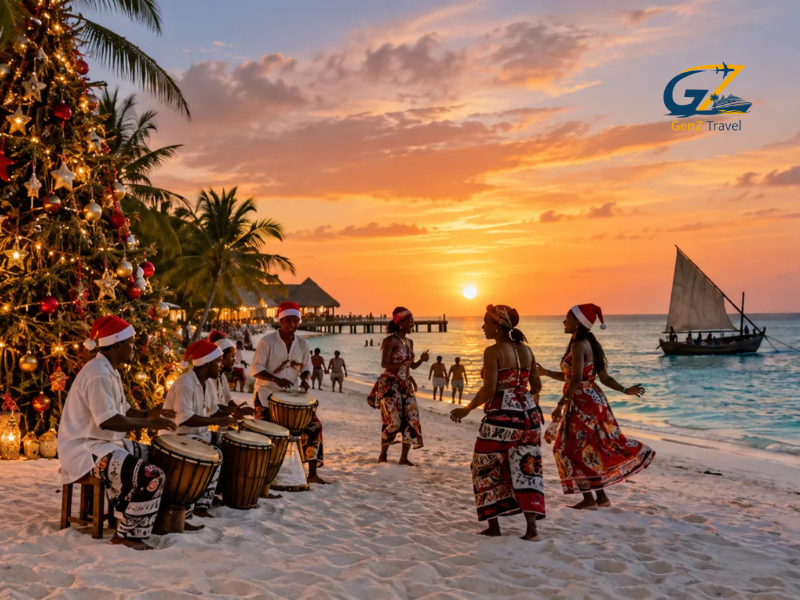
Africa is a brilliant choice for the festive season, because summer is under way in the south and the Indian Ocean coast is warm, so you can swap grey skies for sunshine from late December. The best festive places are Zanzibar, Cape Town, the Garden Route and Mauritius, though all fill up early.
Zanzibar is especially easy to book for the holidays, with Christmas lunches on the beach, dhow cruises at sunset and a laid-back New Year’s Eve party on the sand. If you want a seven-night package with flights, all-inclusive board and transfers included, take a look at our Christmas in Zanzibar holiday, which starts from £1,349 per person. Book early, because festive flights and beds are the first to go.
Money, Tipping and Staying Connected
Cards work in cities and larger lodges, but cash still matters in markets, villages and on safari, so carry a mix of both. US dollars are widely accepted for park fees and tips in East Africa, while South Africa uses the rand, Morocco the dirham and Egypt the pound. Take newer, undamaged dollar notes, because older or torn ones are often refused.
Tipping is part of the income for many guides, drivers and camp staff. A common guide is a daily tip for your safari guide and a shared tip for camp staff, though amounts vary, so ask your operator what is customary. Data roaming can be costly, so check your UK network’s rules or buy a local SIM or eSIM on arrival. Signal is patchy in remote reserves, and many lodges offer Wi-Fi only in the main area, so treat it as a chance to switch off.
Travelling Responsibly in Africa
Responsible travel in Africa means choosing operators who protect wildlife and pay local people fairly, because tourism income is what keeps many parks and communities going. Small decisions add up, and they make your trip better too.
- Choose ethical wildlife experiences: avoid anything that involves handling cubs, riding elephants or feeding predators, and favour accredited conservancies and national parks.
- Hire local guides: a guide from the area knows the land, the animals and the stories, and your fee supports their household.
- Buy from local makers: pick up crafts, spices and coffee at markets rather than imported souvenirs.
- Respect local customs: dress modestly in rural villages and religious sites, and ask before photographing people.
- Cut waste: carry a refillable bottle, say no to single-use plastic and leave beaches cleaner than you found them.
Ready to Pick Your Africa Holiday?
Now you have this Africa travel guide, the right months to go and what it costs, the next step is turning a shortlist into a booking. Tell our UK team your dates, budget and the kind of holiday you have in mind, and we will come back with a tailored quote and no pressure. Get in touch with GenZ Travel today and let us do the hard work, so you can enjoy the fun part.
Frequently asked questions
Is Africa safe for UK tourists?
Yes, millions of visitors travel safely each year, but safety varies by country and area. Check the FCDO travel advice for each destination, use reputable operators, keep valuables out of sight in cities and follow your guide’s instructions on safari. Comprehensive travel insurance with medical evacuation cover is strongly advised.
What is the cheapest African country to visit from the UK?
Morocco and Cape Verde are usually the cheapest, thanks to short flights, affordable accommodation and low daily costs. Egypt is also good value outside peak season. Safaris in Kenya, Tanzania and Botswana cost more because of park fees, so budget travellers often pair a short safari with a cheaper beach stay.
Can I combine a safari and a beach holiday in one trip?
Absolutely, and it is one of the most popular ways to see Africa. A few nights on safari in Kenya or Tanzania followed by a week in Zanzibar works brilliantly, as does Kruger with Mauritius or Cape Town. Plan at least ten to twelve days so neither half feels rushed.
Do I need malaria tablets for safari and Zanzibar?
Malaria is present in many safari areas and in Zanzibar, so most travellers are advised to take preventive tablets. Cape Town and parts of the Western Cape are largely low risk. Speak to your GP or a travel clinic six to eight weeks before you go, because the right tablet depends on your route.
Is Africa a good choice for a first long-haul holiday?
Yes, particularly if you book a package or a guided itinerary. South Africa has direct flights and a similar time zone, while Zanzibar and Mauritius offer easy resort stays. Having flights, transfers and accommodation arranged by one company removes most of the stress and makes the first trip far smoother.
How many days do I need for an Africa trip?
Aim for at least seven nights for a single destination such as Zanzibar or Cape Town, and ten to fourteen nights for a safari and beach combination. Anything shorter than a week rarely justifies the flight time, except for Morocco, where a long weekend or four-night break works well.
Which part of Africa is best for winter sun?
Cape Verde and Morocco give reliable winter warmth on a short flight, while Zanzibar, Mauritius and South Africa are hot from December to February. Egypt’s Red Sea coast stays mild and sunny through winter. Pick based on flight length, budget and whether you want beaches, culture or wildlife.
Request Your Enquiry
Why Choose GenZ Travel
- Dedicated Personal Travel Advisors to design and customize your ideal holiday.
- Transparent pricing with no hidden charges.
- Flexible booking options and convenient payment plans.
Contact with our team
We are available 24/7
Tell us your dates, your budget and where you want to go, we’ll do the rest.